
Top Techniques for Emergency Response

When an emergency strikes, knowing what to do can make all the difference. Whether you’re a healthcare professional, a childcare provider, or someone eager to learn CPR, mastering effective emergency response methods is essential. I’m here to walk you through some of the best ways to stay calm, act fast, and help save lives. Let’s dive in with a friendly, reassuring tone and a sprinkle of humor to keep things light but serious.
Understanding Emergency Response Methods: The Basics
Emergency response methods are the actions you take immediately after an incident to protect life and prevent further harm. These methods cover everything from calling for help to performing CPR or using an automated external defibrillator (AED). The key is to stay calm and follow clear steps.
Here’s a simple breakdown of what you should do:
Assess the situation: Is it safe for you to approach? Look for hazards like fire, traffic, or electrical wires.
Call for help: Dial 911 or your local emergency number. Provide clear information about the location and nature of the emergency.
Provide care: Use your training to assist the injured or ill person. This might include CPR, controlling bleeding, or helping someone who is choking.
Stay with the person: Offer reassurance and monitor their condition until professional help arrives.
Remember, these methods are designed to be straightforward. You don’t need to be a superhero, just prepared and confident.

Essential Emergency Response Methods You Should Know
Let’s get into some practical emergency response methods that you can use right now. These are the skills that healthcare professionals and childcare providers rely on every day.
1. CPR (Cardiopulmonary Resuscitation)
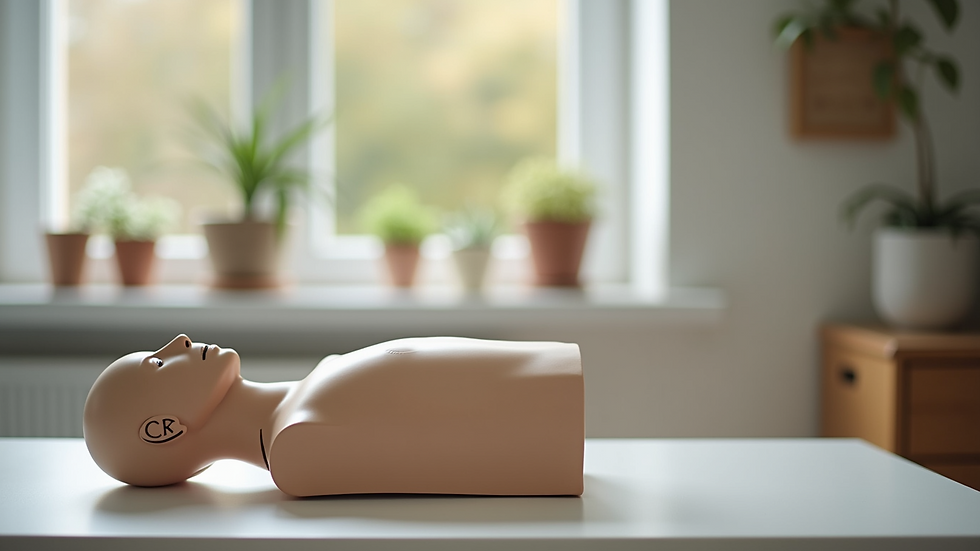
CPR is a lifesaver when someone’s heart stops beating. It keeps oxygen flowing to the brain and other vital organs until help arrives. Here’s a quick refresher:
Check responsiveness: Tap the person and shout, “Are you okay?”
Call 911: If no response, call for emergency services immediately.
Start chest compressions: Place your hands in the center of the chest and push hard and fast, about 2 inches deep at a rate of 100-120 compressions per minute.
Give rescue breaths: After 30 compressions, give 2 breaths if you’re trained and comfortable doing so.
2. Using an AED
An AED is a device that can shock the heart back into a normal rhythm. Many public places have them, and they’re designed to be user-friendly.
Turn on the AED and follow the voice prompts.
Attach the pads to the person’s bare chest as shown.
Stand clear while the AED analyzes the heart rhythm.
Deliver a shock if advised, then continue CPR.
3. Choking Relief
Choking can be terrifying, but quick action helps. For adults and children over one year:
Encourage coughing if the person can still breathe.
If coughing doesn’t work, perform the Heimlich maneuver (abdominal thrusts).
For infants under one year, use back blows and chest thrusts.
4. Controlling Bleeding
Severe bleeding needs immediate attention:
Apply direct pressure with a clean cloth or bandage.
Elevate the injured area if possible.
If bleeding doesn’t stop, use a tourniquet as a last resort.
These methods are the foundation of emergency care. If you want to explore more, check out this resource on emergency response techniques for detailed guides and training opportunities.

What are the 5 P's of emergency?
The 5 P’s are a handy checklist to remember during an emergency. They help you stay organized and focused when every second counts.
Preserve life: Your first priority is to keep the person alive.
Prevent further injury: Avoid actions that could worsen the situation.
Provide pain relief: Comfort the person as much as possible.
Promote recovery: Support the person’s healing process.
Protect the unconscious: Ensure airway and breathing are maintained.
These principles guide your actions and help you prioritize what matters most. Think of them as your emergency compass.

Staying Prepared: Tips for Ongoing Readiness
Being ready for emergencies isn’t a one-time thing. It’s a habit. Here are some tips to keep your skills sharp and your mind prepared:
Take regular CPR and first aid classes: Refresh your knowledge every year or two.
Practice scenarios: Role-play different emergencies with colleagues or family.
Keep your emergency kit stocked: Check supplies monthly and replace expired items.
Know your local emergency numbers: Sometimes it’s not just 911.
Stay calm and confident: Your attitude can calm others and improve outcomes.
Preparation is your best defense. The more you practice, the more natural your response will be when it counts.
Your Role in Saving Lives Starts Now
Emergency situations can be scary, but with the right knowledge and attitude, you become a beacon of calm and help. Remember, you don’t have to do everything perfectly. Acting quickly and confidently is what saves lives.
If you want to deepen your understanding and skills, explore more about emergency response techniques. Every bit of training adds to your ability to make a difference.
Stay safe, stay prepared, and keep learning. You’ve got this!


Comments